
Why Indian Households Still Struggle to See Their Full Cash Flow
Discover why fragmented financial data makes household budgeting difficult in India—and how a clearer, consent-driven money system can improve financial visibility.
The Household Money Picture Is Spread Across Too Many Places

For many Indian households, money is not managed through one complete view. Salary may arrive in one bank account, daily purchases happen through UPI, credit-card expenses appear in a separate statement, and investments sit inside brokerage or mutual-fund platforms. Insurance premiums, loan repayments, school fees, utility bills, and subscriptions may be tracked through messages, email, apps, or paper records. Each source contains a useful piece of information, but none provides the whole picture.
This fragmentation makes cash flow management harder than it needs to be. A household may feel financially comfortable because the bank balance looks healthy, while upcoming card dues, annual premiums, or loan instalments are still pending. Alternatively, family members may reduce spending unnecessarily because they cannot see investments, emergency savings, or another account clearly. Indian personal finance is increasingly digital, but digital records are not automatically connected or understandable. Without consolidated financial visibility, families are left comparing balances, searching through notifications, and relying on memory to make important decisions.
Fragmented Visibility Creates Everyday Budgeting and Liquidity Problems
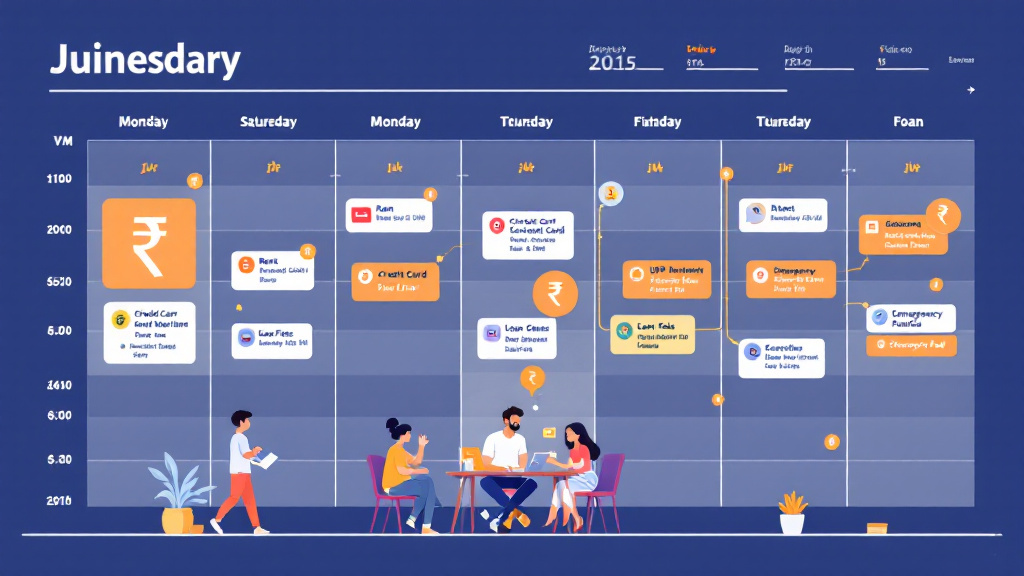
The practical consequence is not simply inconvenience; it is poor timing. A budget can be accurate on paper and still fail when several obligations arrive in the same week. A UPI-heavy month may hide how much small purchases add up to. Credit-card spending can feel distant until the payment date. Recurring subscriptions may continue unnoticed, while a forgotten annual renewal or variable loan payment can disrupt planned savings. These gaps make it difficult to answer basic questions: How much is safe to spend today? What will be available after all obligations clear? Can the family increase its emergency-fund contribution this month?
The challenge becomes more complex when multiple people contribute to household finances. One person may know about a rent transfer, another about a school payment, and a third about an investment commitment. Without shared context, decisions become reactive and conversations can focus on blame rather than planning. Better household budgeting requires more than categorizing expenses after the fact. It requires a forward-looking view that combines current balances, expected income, recurring obligations, goals, and unusual activity in language people can act on.
Building a Clearer Money System Starts With Consent and Context
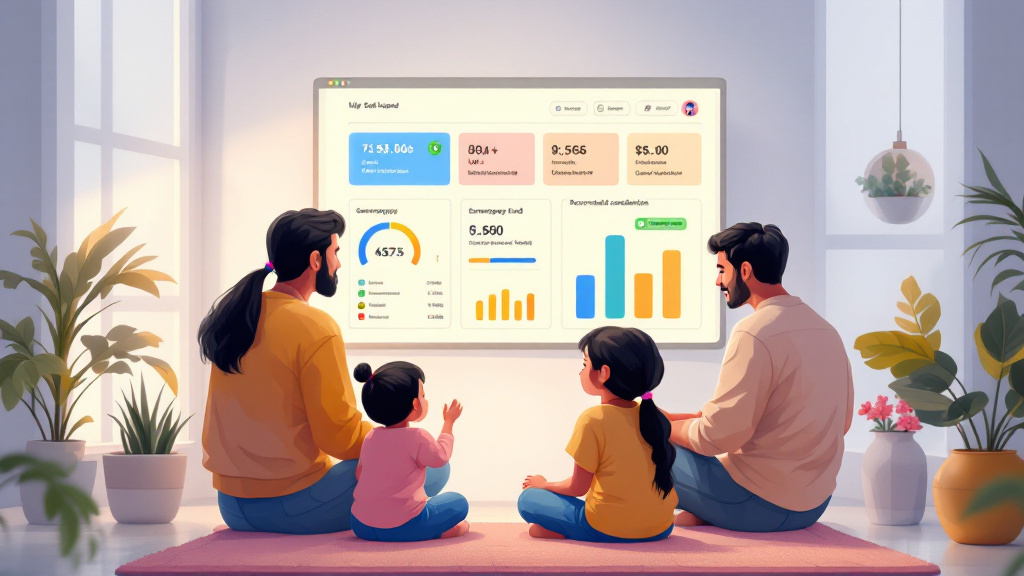
Improving financial visibility does not mean giving one service unrestricted control of a household’s money. A practical system should be consent-driven, read-only where appropriate, and transparent about what data is connected and why. It should bring together supported account feeds, imported statements, transaction records, and recurring obligations, then present them in a way that reflects real Indian spending patterns. AI can help categorize merchants, UPI references, and recurring payments, but users should be able to correct classifications and remain in control.
The goal is not to automate every financial decision or execute payments on a family’s behalf. It is to make decisions easier to review. A platform such as ArthaNest can help surface an upcoming loan payment, explain spending trends, track an emergency-fund target, and recommend a manageable monthly contribution. The household can then verify the guidance and complete any payment in the linked provider app. This combination of financial visibility, household budgeting, and user review creates a calmer money system—one that turns scattered records into timely reminders, shared understanding, and steady progress toward long-term goals.